Curriculum plans & Activities
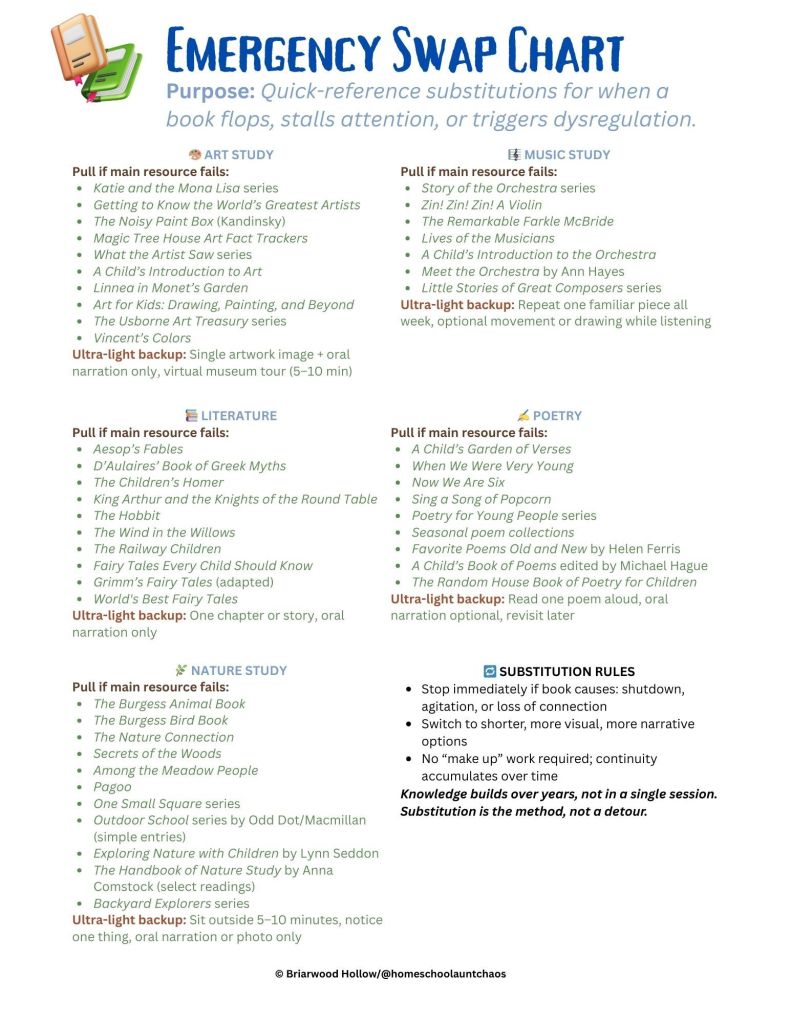
I am presently refining methods for utilizing complimentary or acquired educational resources for family-centered learning in subjects such as history, geography, science, music, art, and specific components of language arts. Below is an overview of current initiatives, with additional information forthcoming as time permits, given my concurrent responsibilities in homeschooling.
You choose the curriculum…
4-Year Cycle Rotation
🔹Year 1: Foundations
History: Ancient Civilizations
Science: Life Science & Earth Basics
- Mesopotamia, Egypt, Ancient China, Indus Valley
- Plants, animals, habitats, basic earth science
🔹Year 2: Expansion
History: Classical & Early World
Science: Human Body & Ecology
- Greece, Rome, early Americas
- Body systems, health, interdependence in nature
🔹Year 3: Change & Conflict
History: Medieval → Early Modern
Science: Physical Science
- Middle Ages, Renaissance, Age of Exploration
- Matter, energy, motion, simple chemistry & physics
🔹Year 4: Modern World
History: Modern History & Civics
Science: Earth, Space, & Technology
- Revolutions, U.S. history, world history
- Space, weather, climate, technology
🔁 Then → repeat, increasing:
- Vocabulary
- Connections
- Discussion depth
- Independent work (only for those ready)
4-Year Cycle Literature & Poetry Rotations
🔹Year 1: Literature & Poetry Focus
Myths & Legends:
- Mesopotamian myths
- Egyptian stories
- Early Chinese tales
- African creation stories
Weekly Read-Aloud:
- 1 story per week → oral narration or discussion
Optional Extension:
- Compare stories across cultures
Poetry:
- Simple nature poems & chants related to environment or seasons
Weekly Read-Aloud:
- 1–2 short poems → recitation optional
🔹Year 2: Literature & Poetry Focus
Literature Focus:
- Greek & Roman myths
- Homeric tales (abridged)
- Early classical stories
- Early American and indigenous stories
Weekly Read-Aloud:
- 1 story → oral narration or family discussion
Poetry Focus:
- Poetry from Classical and early indigenous cultures
- Seasonal or thematic poems tied to story settings
Weekly Read-Aloud:
- 1 poem → oral narration, memorization optional
🔹Year 3: Literature & Poetry Focus
Medieval tales:
- King Arthur and His Knights
- Knights of the Round Table
Early Renaissance literature:
- Simple excerpts from Shakespeare
- Fables
- Folk tales
Weekly Read-Aloud:
- 1 story → narration or sketch to capture events or characters
Medieval and Renaissance poetry:
- Ballads
- Sonnets
- Folk songs
Weekly Read-Aloud:
- 1 poem → recitation optional, discussion encouraged
🔹Year 4: Literature & Poetry Focus
Modern classics:
- Gulliver’s Travels
- Treasure Island
- Sherlock Holmes
- Early science fiction
- Biographies
Weekly Read-Aloud:
- 1 story → oral narration, character timeline optional
Poetry Focus:
- Romantic
- Victorian
- Early 20th-century poetry
Weekly Read-Aloud:
- 1 poem → oral narration, memorization optional
Family Rotation Notes
- One literature story and one poem per week, repeat exposure over 2–3 weeks
- Children participate together; narration depth varies by comprehension
- No worksheets; oral narration, discussion, or sketching counts
- Optional: older children can explore deeper context or compare authors/artists across periods
4-Year Cycle Art & Music Rotations
🔹Year 1: Art & Music Focus
Artists / Traditions:
- Egyptian murals
- Mesopotamian reliefs
- Ancient Chinese bronzes
- Early African sculptures
Weekly Activity:
- Observe 1 artwork → oral narration → optional sketch
- Repeat exposure over term
Music Traditions:
- Ancient chants
- Folk songs from early civilizations
- Simple rhythmic patterns
Weekly Activity:
- Listen 1–2 pieces → discuss instruments & rhythm → optionally sing or clap patterns
🔹Year 2: Art & Music Focus
Artists / Traditions:
- Greek pottery
- Roman mosaics
- Maya/Inca textile patterns
Weekly Activity:
- Picture study + narration + timeline placement if desired
Music Traditions:
- Greek modes
- Roman ceremonial music
- Indigenous/American folk melodies
Weekly Activity:
- Listen 1–2 pieces, note instruments or cultural context, optional movement or hand drumming
🔹Year 3: Art & Music Focus
Artists / Traditions:
- Byzantine mosaics
- Islamic tilework
- Gothic cathedrals
- Renaissance painters (Da Vinci, Michelangelo, Botticelli)
Weekly Activity:
- Observe → narrate → optional sketch/focus on composition or color
Music Traditions:
- Gregorian chant
- Medieval secular songs
- Renaissance compositions
Weekly Activity:
- Listen, identify instruments or motifs, optional singing/recording
🔹Year 4: Art & Music Focus
Artists / Traditions:
- Impressionism (Monet, Degas)
- Post-Impressionism (Van Gogh)
- Early modernists (Picasso, Matisse)
Weekly Activity:
- Observe → narrate → optionally relate to contemporary objects or photography
Music Traditions:
- Baroque (Bach, Handel)
- Classical (Mozart, Haydn)
- Romantic (Beethoven, Chopin)
- Folk revival
Weekly Activity:
- Listen 1–2 pieces → narrate impressions → optionally create simple rhythm/tempo exercises
Family Rotation Notes
- One artwork and one musical piece per week; repeat exposure over 2–3 weeks
- All children participate together; narration level differs by comprehension
- No worksheets; sketches, oral narration, and discussion only
- Optional extension for older children: deeper composer/artist study once per term
Family Style Curriculum
Family Style Math (Can be used for family or group math fun days for multiple ages)
Subjects/Unit Studies
Enrichment Activities
- Story Basket
- Wonder Box
- Storybook Forest
- Poetry Picnic
- Good Deeds Tree
- Story Stones
- Nature Discovery Basket
- Nature Walks with Guided Observation Prompts
- Backyard Habitat
- Real-life Math Activities
- Sensory Specimen Box
- Guess the Era
More coming soon!
Briarwood Hollow: Resources